
Dive into the Exciting World of GoHighHarvest and Unravel the 'tptp PH Login'
Explore the thrilling mechanics, intriguing rules, and recent updates that make GoHighHarvest a captivating digital adventure.


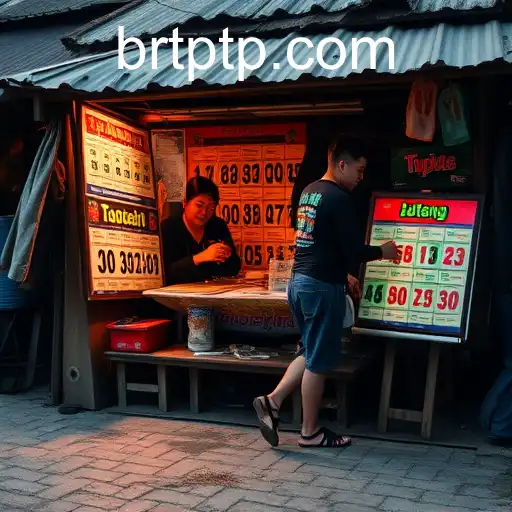
Jueteng, a prevalent illegal numbers game, has managed to entrench itself in the Filipino society for decades. Originating during the Spanish colonial period, it has withstood various legislative and enforcement challenges, maintaining a powerful grip within certain communities in the Philippines. Predominantly operated at a grassroots level, Jueteng involves betting on two-number combinations which are drawn daily.
At the heart of Jueteng lies a simple yet compelling mechanism. Participants place bets on a combination of numbers ranging from 1 to 37. Draws take place twice a day, creating frequent opportunities for bettors to win. The allure of Jueteng is amplified by its accessibility—small bet amounts are accommodated, inviting individuals across different economic statuses to participate.
The operations of Jueteng start at the kubrador level. These collectors roam neighborhoods, collecting bets and handing out receipts. Above them are the coordinators, known as kabo, who manage multiple kubradors and consolidate the bets into a central system. This structured, tiered organization ensures the smooth operation of the game despite its illegal nature.
For many, Jueteng offers hope—a chance to escape poverty or experience fleeting moments of financial relief. Given the socioeconomic landscape of the Philippines, where poverty remains a critical issue, Jueteng becomes more than a game. It transforms into a social phenomenon, deeply embedded in the everyday lives of its participants.
The financial impact, however, often transcends the personal fortune of winning or losing. Many families find themselves caught in a cycle of betting, with losses exacerbating their financial struggles. Despite its risks, the promise of a windfall continues to entice individuals, reflecting broader issues within the country's economic framework.
Efforts to eradicate Jueteng have been ongoing, albeit with limited success. Various administrations have implemented strategies to curb its prevalence, ranging from direct police action to legislative measures. However, these efforts are often undermined by corruption and lack of political will, allowing Jueteng operators to remain entrenched in their practices.
A significant challenge in addressing Jueteng lies in its intricate ties to local politics. Allegations of politicians being involved or protecting Jueteng operations for monetary and electoral gains have surfaced over the years. This complex relationship complicates the government's ability to execute effective interventions.
Within this milieu, technology has emerged as a formidable ally in combating illegal gambling operations. The TPTP PH Login platform represents a modern attempt to monitor and manage gambling activities. While primarily focused on legitimate betting endeavors, its framework provides insights into harnessing technology against illegal operations like Jueteng.
TPTP PH Login offers a secure way for participants of legal gambling to engage with systems transparently. By utilizing similar verification and monitoring systems, authorities could potentially disrupt Jueteng networks. Implementing systematic tracking through digital platforms can inject accountability and transparency into the gambling sector, potentially discouraging illegal activities.
Alongside technological interventions, community education plays a crucial role in diminishing Jueteng's appeal. Programs aimed at educating the public on the perils of illegal gambling and providing alternative livelihood opportunities have shown promise.
By enhancing educational initiatives, communities can be empowered to make informed decisions, reducing their dependence on Jueteng as a potential means of financial gain. These programs, when combined with rigorous law enforcement and policy reforms, can contribute to diminishing Jueteng's cultural foothold.
The battle against Jueteng necessitates a multi-faceted approach. Collaborative efforts across governmental agencies, law enforcement, technology providers, and community leaders are imperative. Implementing robust policies that tackle the socio-economic roots of illegal gambling, along with enhancing governance and accountability, are critical measures needed for progress.
Only through sustained and comprehensive efforts can the Philippines hope to curtail the pervasive influence of Jueteng and foster an environment where legal and ethical gambling practices prevail.
If you're looking for a reliable, fully licensed, and secure sportsbook with a wide selection of games, tptp PH Login is the perfect choice. We're committed to providing you with the best online betting experience, with premium quality, excellent service, and continuous innovation. Sign up now and receive ₱777 for free!
Join now
Get the latest information, experience and betting strategies from the expert team at tptp PH Login.
Explore the thrilling mechanics, intriguing rules, and recent updates that make GoHighHarvest a captivating digital adventure.

Dive into the enchanting world of YummyTrickorTreat, a game that combines Halloween festivities with culinary delights. Explore its captivating gameplay and immersive experience.

Explore the captivating world of GoldenOx, a game that combines strategy, excitement, and innovation. Learn about its introduction, gripping gameplay, unique features, and current impacts.

Dive into the electrifying world of TempleofThunderII, an innovative game that combines strategy and adventure, with insights on gameplay, introductions, and the rules that guide your quest.

Explore the immersive world of DragonsGrace, a thrilling online game with captivating gameplay, engaging rules, and the latest updates. Discover how to navigate using 'tptp PH Login' and immerse yourself in this fantastical universe.

Dive into the exhilarating world of Crazy7772—a groundbreaking game that combines strategy and excitement.
 Join now